
Creator Spotlight with Recording Artist Kanude
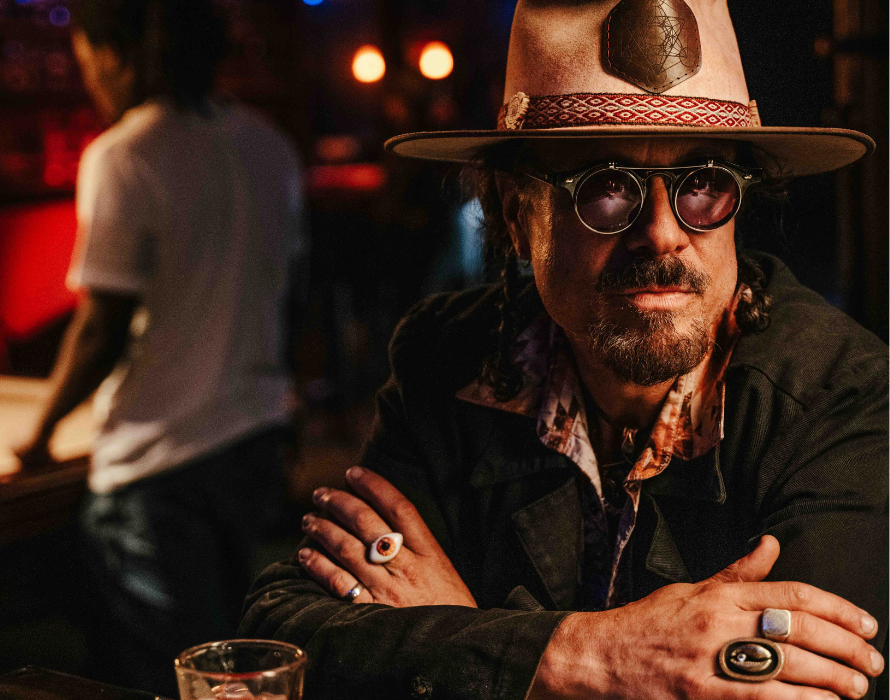
This week, we are pleased to feature Nashville-based recording artist, Kanude and his Lightstone Records label and Tathata Music (ASCAP) publishing. Check out his spotlight blog and follow him on Instagram.
What was the inspiration behind becoming a creator? What do you enjoy most about the creative process?
I started out being cast at age 11 in a middle school production of The Wizzy Wiz, a mash-up of The Wizard of Oz and The Wiz songs. I was hooked on singing and acting on stage from that point onward. Creating new works as a songwriter and music producer is endlessly gratifying for me. When people ask what’s your favorite song I’ve ever written, I often respond: “The next one.”
What do you think is the biggest misconception about your line of work?
Everyone’s creative journey is different. Some people have early success and then must maneuver the path of reinvention and maintaining audiences, while many others build a catalog of releases over time to smaller audiences in the “indie underground.” I’ve had a bit of both experiences in my journey. The main thing is to keep cultivating the garden of your creativity with discipline and passion over time through the highs and lows of one’s personal and professional life.
When did you first become aware of copyright, and why?
In the “pre-internet” era when I was in my teens and 20s, I became aware of the concept of copyright and how a work is considered to be copyright protected the minute it is created and fixed in a tangible form, such as being written down, recorded, or saved as a digital file. But it’s still wise to submit your works to the U.S. Copyright Office, as doing so offers significant benefits, such as establishing a public record of your copyright claim and serving as a prerequisite for filing an infringement lawsuit in federal court if the need arises.
What is the best piece of advice that you would give other creators in your field about copyright and how to protect themselves?
Early on, I was advised to send my works to the U.S. Copyright Office when applying for copyright protection, typically in a SR (sound recording) filing which covers both the inherent publishing rights of words and music, as well as the master recording, which are separate copyrights. These copies are referred to as a “deposit” and are a key part of the copyright registration process. Doing so gives the rights-holder the full amount of protection against any future disputes or litigation.
How has AI technology impacted your works and career?
This, of course, is a hot topic right now. I have sampled using AI-tools mainly on the literary side with ChatGPT, which I do not use for lyric composition but for list-making and editing. I have also tried out image and video AI-services to understand the current landscape, but AI, like any technology, is a tool. It should not be used to undermine or supplant the creative process and is merely software that can enhance or degrade one’s works. Software does not replace the element of a creator’s connection with the muse. That is a special relationship that shows up in dreams, and sometimes a new work is effectively channelled from “the other side.” These are sacred moments indeed and must be cultivated by the creator and treated with reverence and patience.
If you aren’t already a member of the Copyright Alliance, you can join today by completing our Individual Creator Members membership form! Members gain access to monthly newsletters, educational webinars, and so much more — all for free!