
Creator Spotlight with Author Lorraine Corso
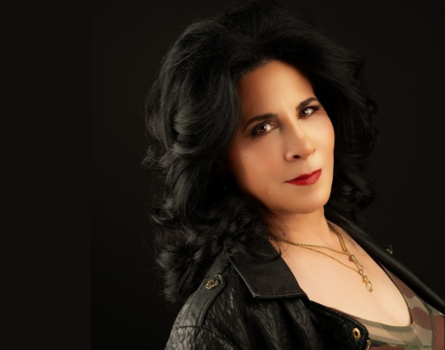
This week, we’re pleased to introduce author Lorraine Corso, the writer behind The Field Remembers. In this interview, Lorraine gives us the scoop on her creative process, the copyright challenges she has faced, and more.
What was the inspiration behind becoming a creator? What do you enjoy most about the creative process?
I started writing because it was the only way I could make sense of pain that didn’t have a name. For years, I carried stories inside me—some true, some imagined—that refused to stay silent. Writing became both therapy and truth-telling. The creative process gives me control over chaos; it lets me take something broken and shape it into meaning. What I enjoy most is when the words finally click into place and the story feels alive. That moment makes every struggle worth it.
Can you talk through your creative process? How long does it take? Does everything you produce make money?
My process is part instinct, part discipline. I start with a scene or an emotion—usually something that won’t leave me alone—then I build the world around it. I write in layers, revisiting and refining until the story feels honest. Some pieces take a few days; others unfold over months. Not everything I write is meant to make money. Some pieces are meant to heal, to reveal, or to warn. The work that resonates most deeply often finds its own audience and value later.
What do you think is the biggest misconception about your line of work?
That writing is easy or automatic. People see the finished product, not the sleepless nights, revisions, self-doubt, or emotional toll. Another misconception is that authors are always inspired. The truth is, discipline carries me when inspiration disappears. Writing isn’t magic—it’s endurance, honesty, and craft.
When did you first become aware of copyright, and why?
I became aware of copyright the hard way—after discovering my work had been used without credit or permission. Until that moment, I thought “copyright” was just a formality. Now I understand it’s protection. It’s the line between ownership and exploitation. Once you create something, it becomes part of you, and defending it becomes part of your responsibility.
Have you experienced copyright infringement and, if so, how has it affected you personally and financially?
Yes. Someone took my original stories, renamed them, and published them for profit. Financially, it was theft. Emotionally, it was a violation. Those stories came from real pain—turning them into entertainment without consent was like being robbed of my voice all over again. But it also made me stronger. I learned how to fight back using the law, persistence, and truth.
What do you do when you encounter someone stealing something you’ve invested your intellect, time, and money into?
I document everything. I stay calm, professional, and thorough. I file copyright complaints, I follow proper channels, and I keep a paper trail. I believe in standing up for myself with facts, not rage. Every creator has a right to defend their work—it’s not vengeance, it’s justice.
What is the best piece of advice that you would give other creators in your field about copyright and how to protect themselves?
Register your work. Always. Even if you think it’s small or unfinished. Save your drafts, emails, and dated files. Keep proof of authorship and never assume others will respect your boundaries. Protecting your work isn’t arrogance—it’s self-respect. And never let anyone convince you that being “creative” means you can’t also be strong and business-minded.
Dealing with the emotional cost of fighting for your own words. Legal battles are draining, but the silence of others—those who look away when your work is stolen—hurts more. The biggest challenge is staying focused on why you started: not for money or recognition, but for truth. That reminder keeps me grounded and unbreakable.
If you aren’t already a member of the Copyright Alliance, you can join today by completing our Individual Creator Members membership form! Members gain access to monthly newsletters, educational webinars, and so much more — all for free!